
When investing in end-of-line automation, manufacturers need confidence that their system will perform as expected before it arrives at their facility. Factory Acceptance Testing (FAT) provides an opportunity to test the equipment, identify potential issues, and verify system performance before installation.
For robotic packaging and inspection systems, FAT can be an important step in preparing an automated line for production.
What Is Factory Acceptance Testing?
Factory Acceptance Testing is a structured evaluation of an automated system performed before it is shipped to the customer.
During FAT, the equipment can be tested against defined production requirements, including operating speed, product handling, robotic movements, inspection functions, and system integration.
Testing with the customer's products and packaging materials can also help verify that the system performs as intended under representative production conditions.
Why FAT Matters for End-of-Line Automation
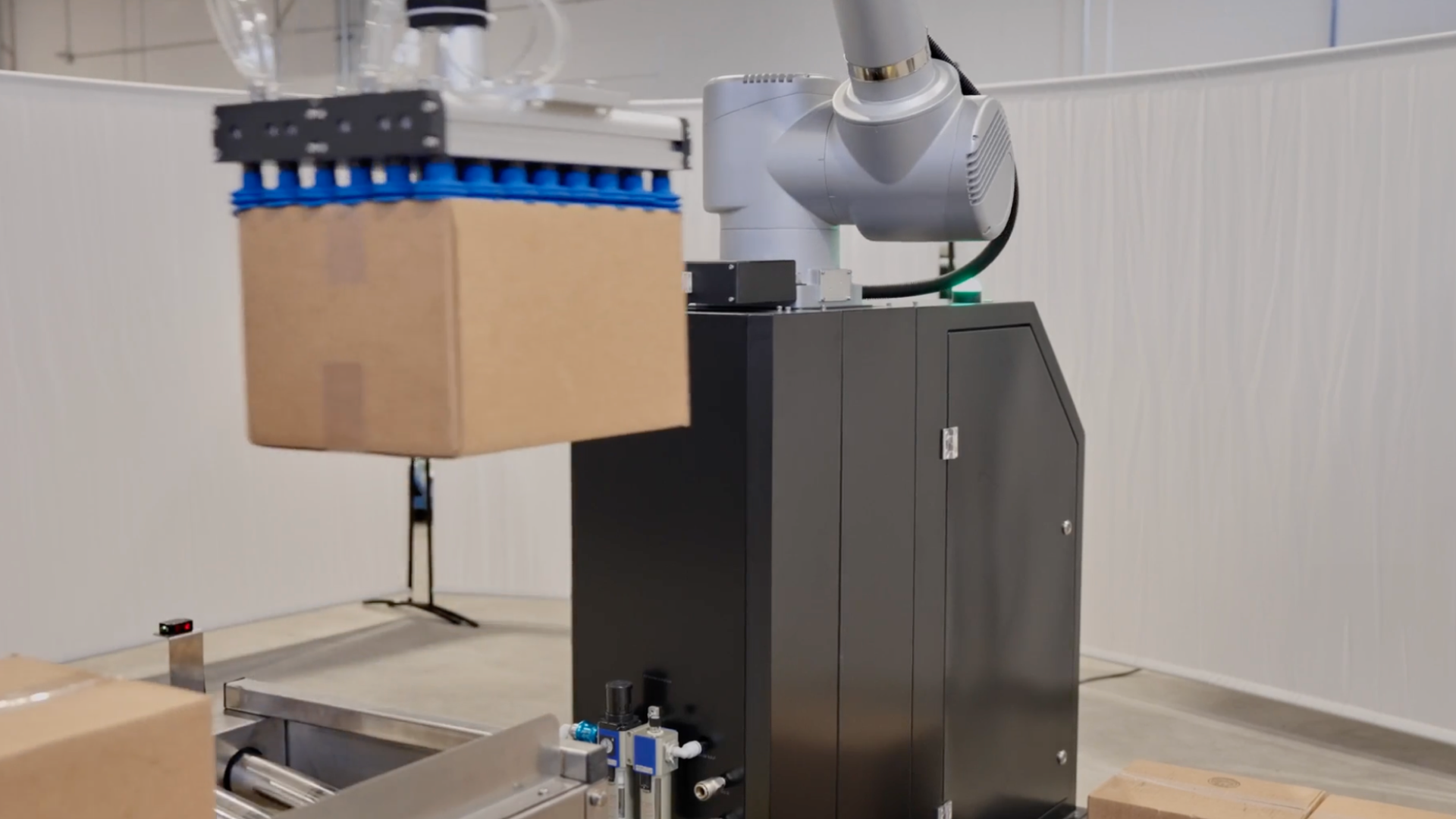
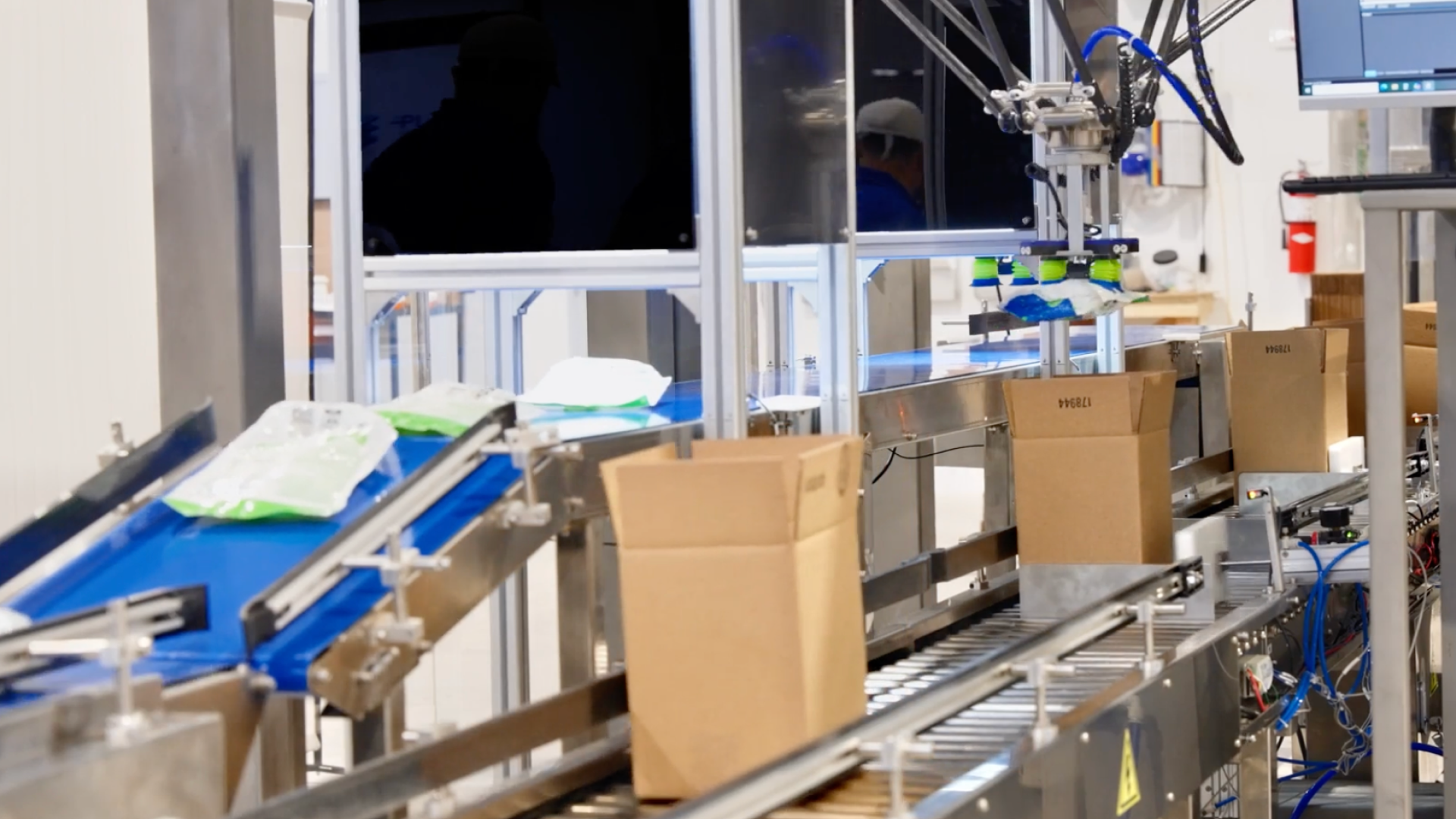
End-of-line systems often involve multiple pieces of equipment working together. A robotic case packer, conveyor system, inspection equipment, and palletizer, for example, need to operate as part of a coordinated workflow.
Testing these systems before installation provides an opportunity to identify and address potential issues before they affect production at the customer's facility.
FAT can help verify:
- System performance against defined production requirements
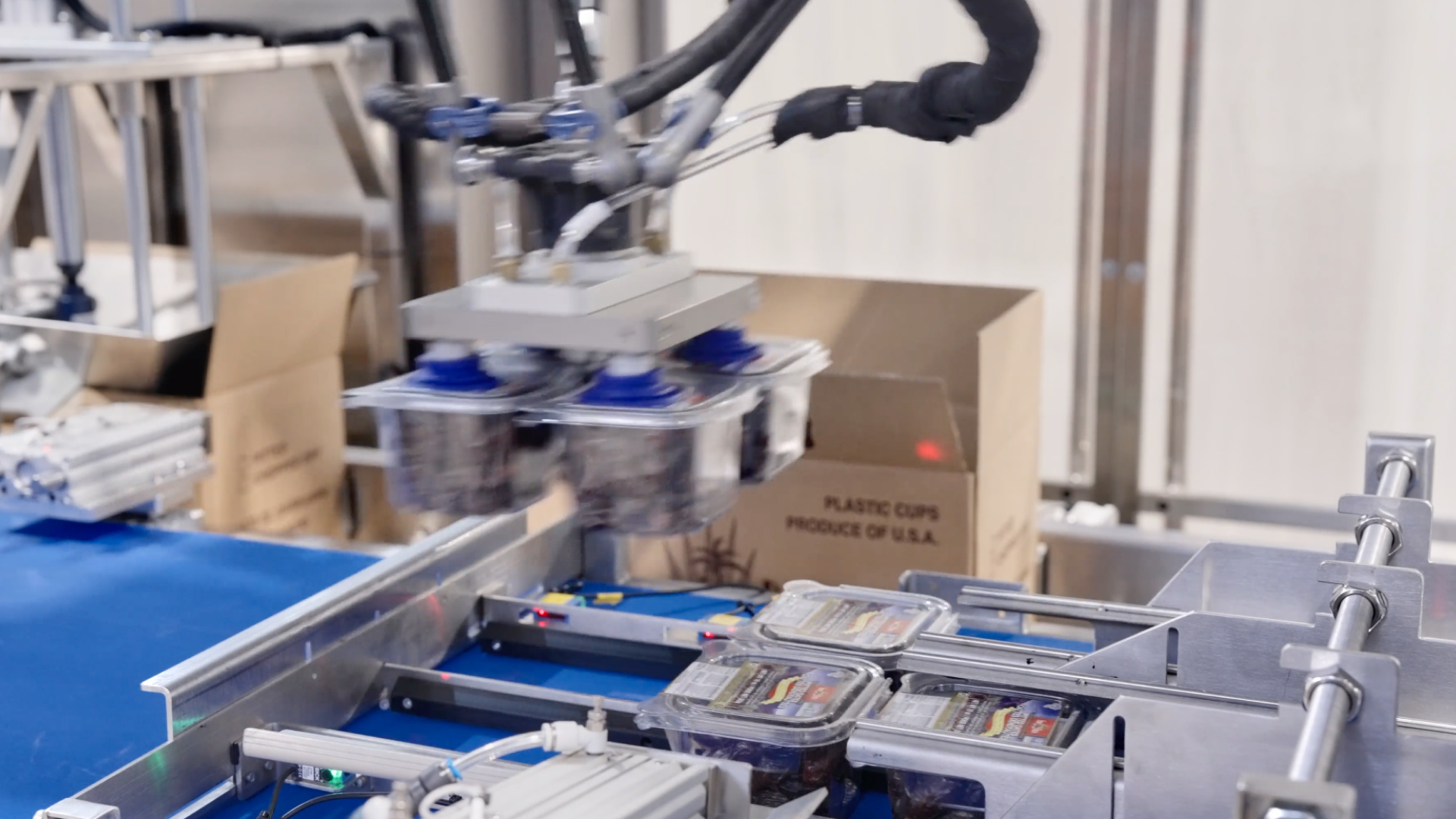
- Robotic movements and product handling
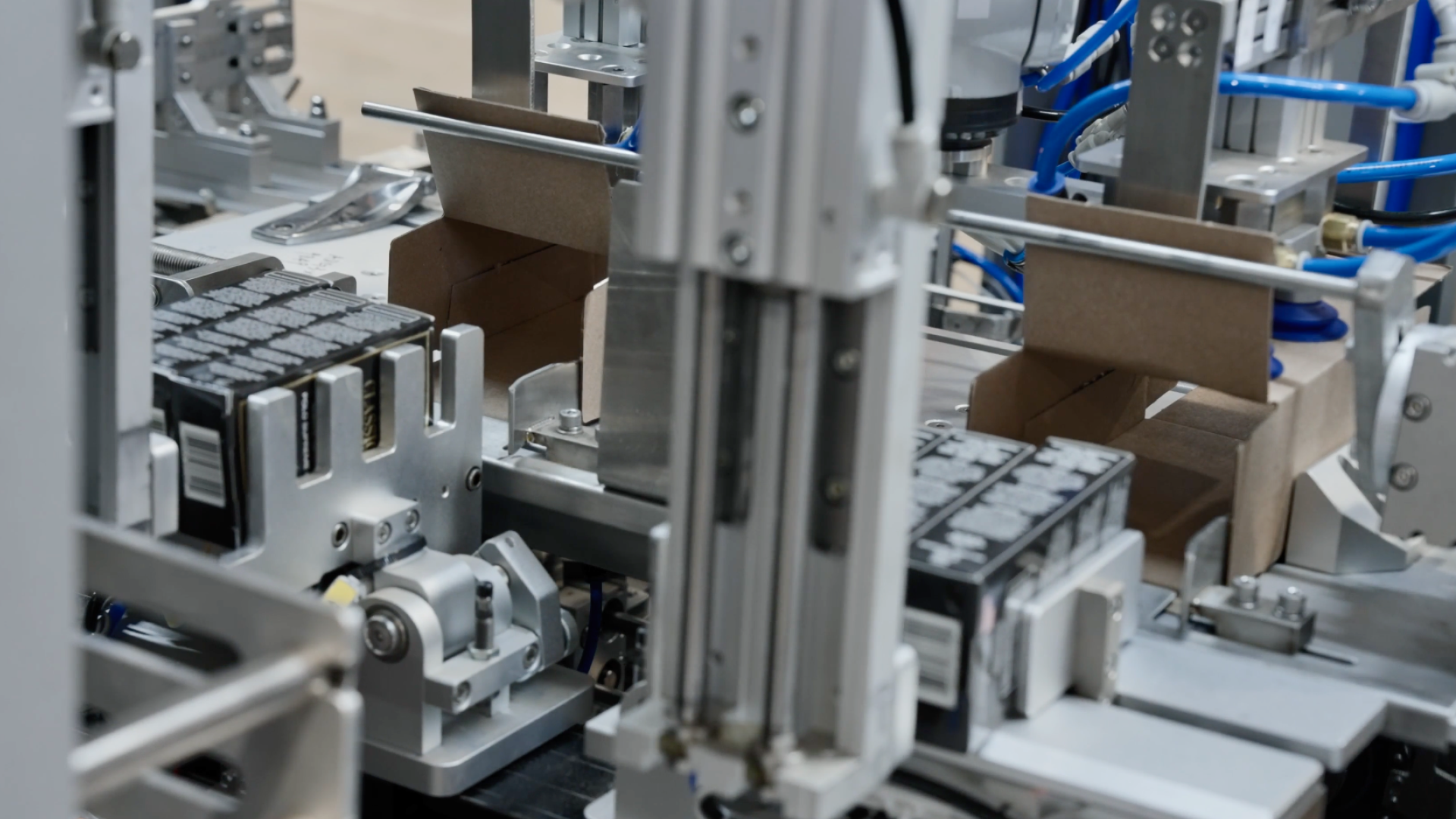
- Case packing and palletizing sequences
- Inspection system functionality
- Communication between integrated equipment
- Product and packaging compatibility
Testing With Your Products
Every production environment is different. Product dimensions, packaging formats, case configurations, production speeds, and facility requirements can all affect how an automated system performs.
Whenever possible, FAT can be conducted using representative products and packaging materials. This allows the system to be evaluated under conditions that closely reflect the customer's intended application.
Testing before shipment can also provide an opportunity to make adjustments to programming, robotic movements, or system settings before installation.
Preparing for Installation
A successful FAT can help create a smoother transition from equipment testing to installation.
By identifying potential integration or performance issues before the system leaves the facility, manufacturers can arrive at installation with a better understanding of how the equipment will operate within their production environment.
For integrated end-of-line systems, this preparation can be particularly valuable when multiple automated processes need to work together.
Building Confidence Before Production
Factory Acceptance Testing is more than a final equipment check. It is an opportunity to verify that an end-of-line automation system has been built and configured around its intended application.
At Amerirobotics, our focus is on end-of-line packaging robotics and inspection systems. Testing and validation can help ensure that robotic handling, case packing, palletizing, and inspection functions are ready to perform as part of the customer's production process.
Contact Amerirobotics to discuss your end-of-line automation requirements and testing needs.