Clamshell packaging is widely used for products that need protection, visibility, and efficient handling throughout production and distribution. But once products are packaged, manually loading clamshells into trays or cases can become a repetitive and labour-intensive part of the production process.
Robotic case and tray packing systems can automate this stage, helping manufacturers create a more consistent flow from primary packaging to finished cases.
Automating Clamshell Case Packing
Packing clamshells into shipping cases or trays requires products to be grouped, oriented, and placed in a consistent pattern.
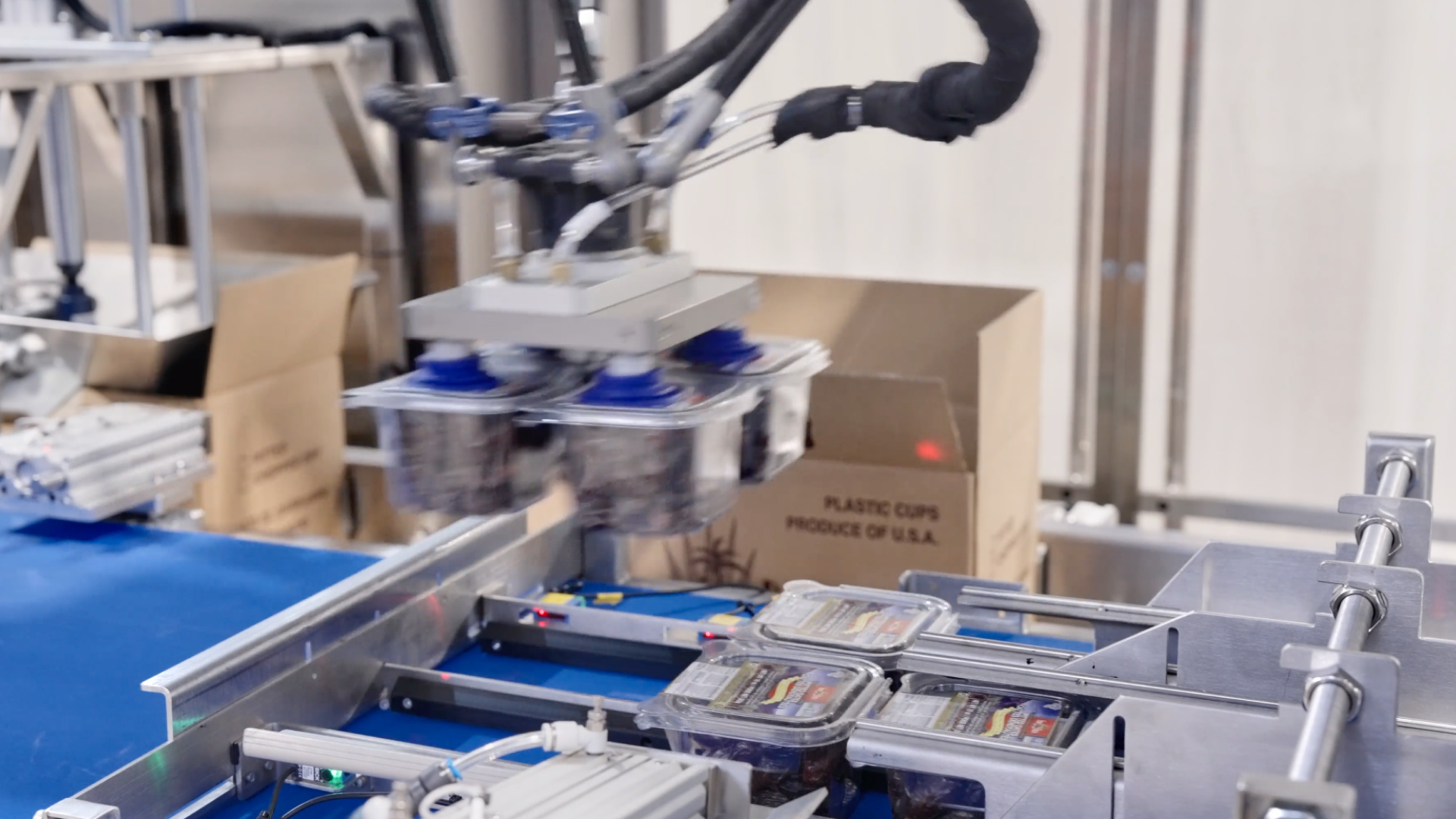
A robotic pick-and-place system can automate these repetitive movements, transferring products into trays or cases at a consistent rate. This reduces the need for manual handling while supporting high-volume production.
For applications where production speeds are high, automated product grouping and robotic loading can also help maintain a steady flow through the end of the line.
Flexibility for Cases and Trays
Different products and distribution requirements may call for different secondary packaging formats.
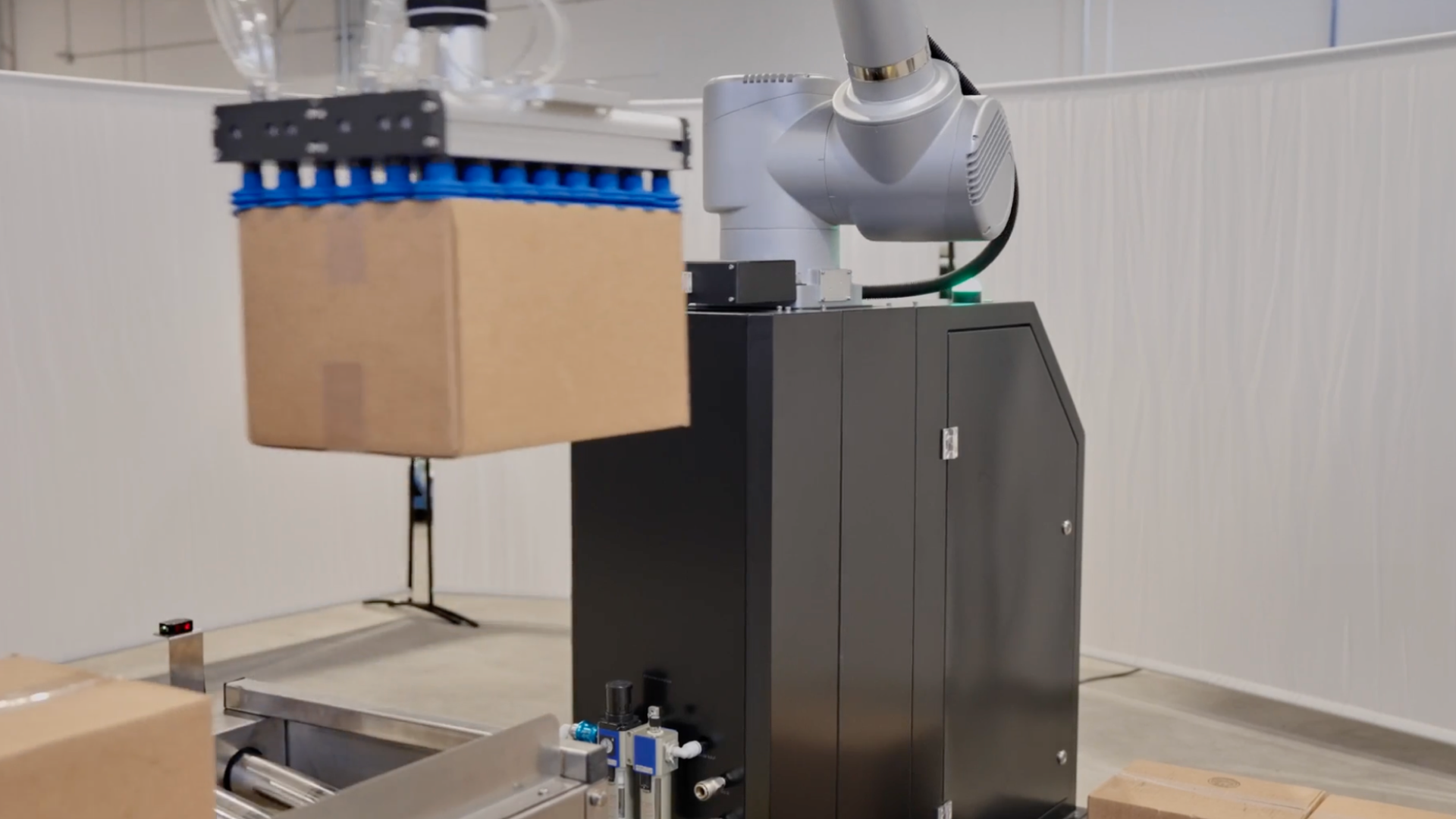
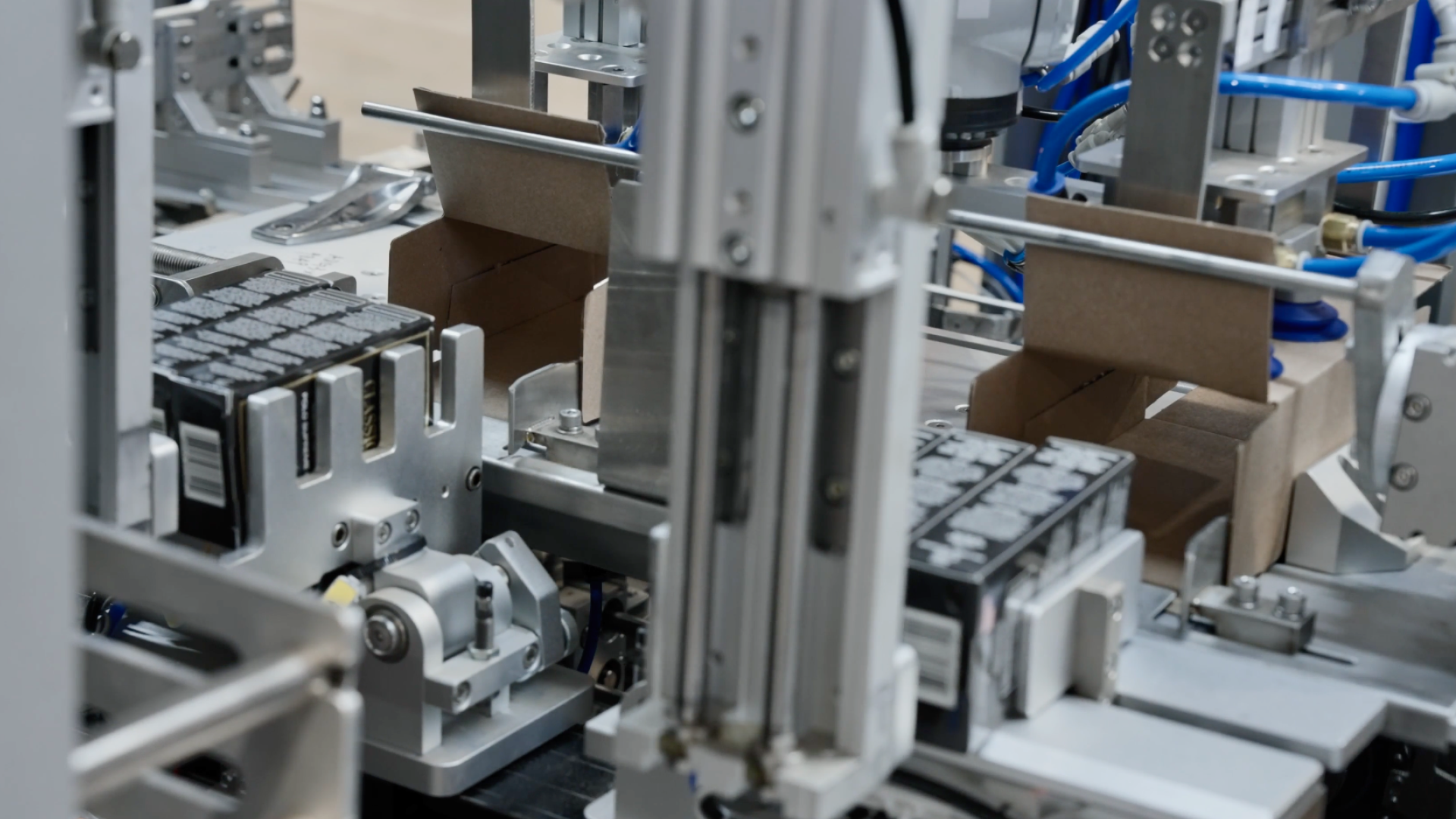
A flexible robotic packing system can be configured to handle both RSC cases and trays, allowing manufacturers to support different packaging requirements within the same production environment.
This type of flexibility can be especially useful for manufacturers handling multiple products, formats, or SKUs.
Connecting the End-of-Line Process
Case packing does not have to operate as a standalone process.
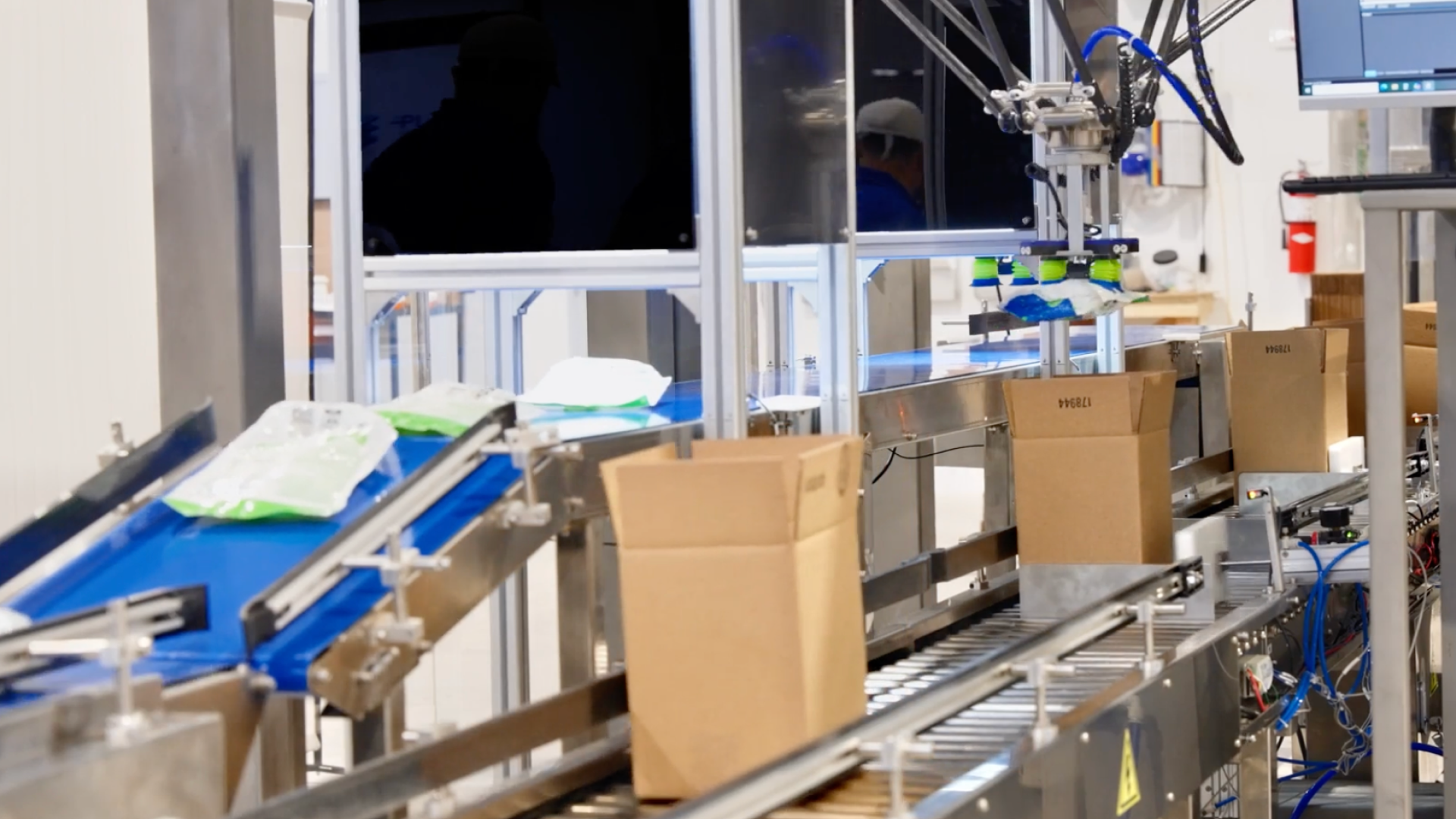
By integrating product infeed, grouping, robotic loading, case or tray forming, and sealing, manufacturers can create a connected workflow with fewer manual handoffs between stages.
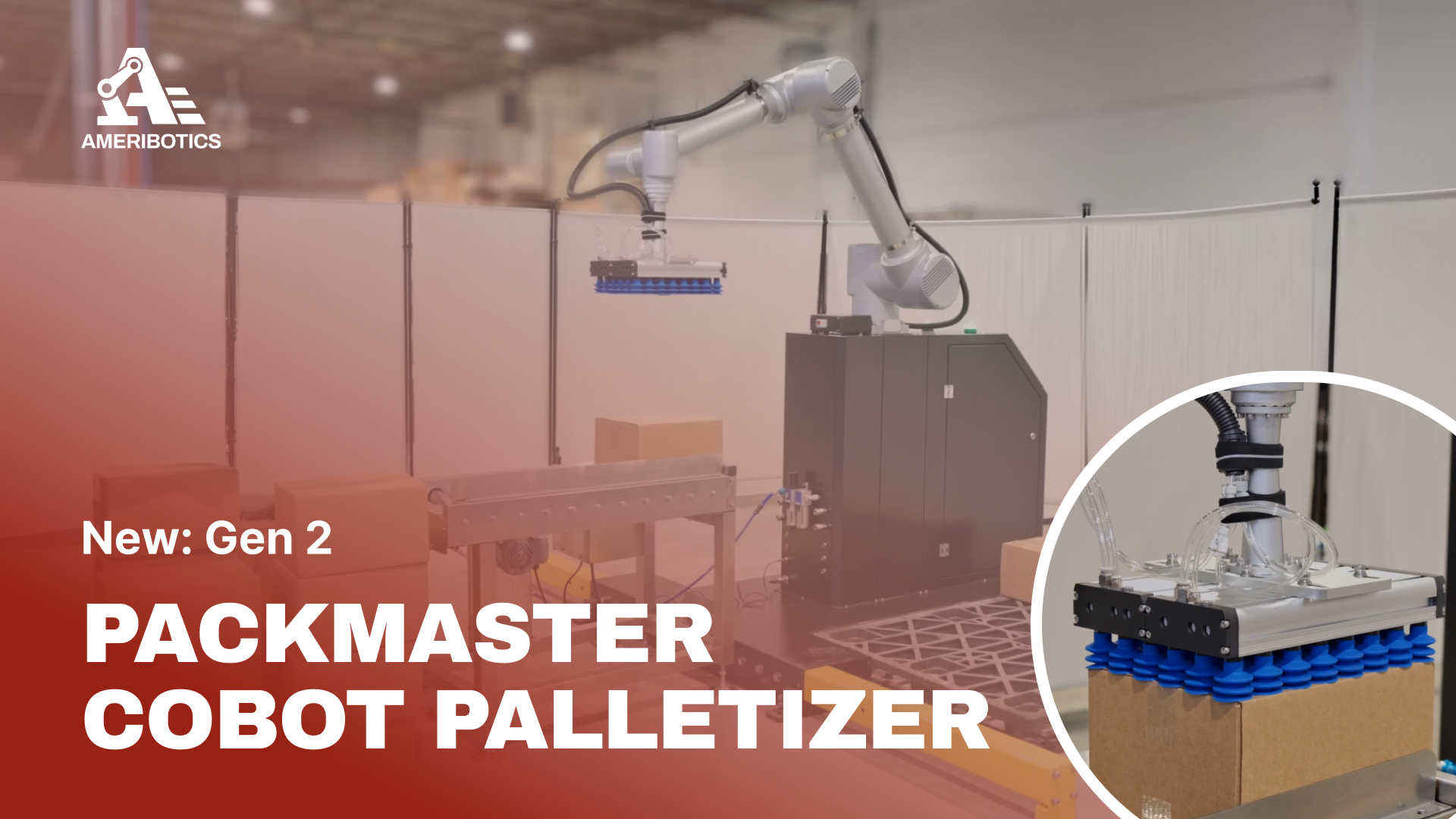
Once products are loaded, automated case sealing can prepare finished cases for the next stage of handling. The system can also be integrated with robotic or collaborative palletizing to extend automation through the end of the line.
From Primary Packaging to Palletizing
For manufacturers looking to automate more of their production process, connecting primary packaging with secondary and end-of-line automation can provide a more continuous workflow.
When weighing, primary packaging, case packing, and palletizing are integrated, products can move through multiple stages with less manual intervention.
This approach can help manufacturers improve consistency while creating an end-of-line process designed to support their production requirements.
A Real-World Clamshell Packaging Application
The video below showcases a fully automated robotic case and tray packing system designed for high-speed clamshell applications.
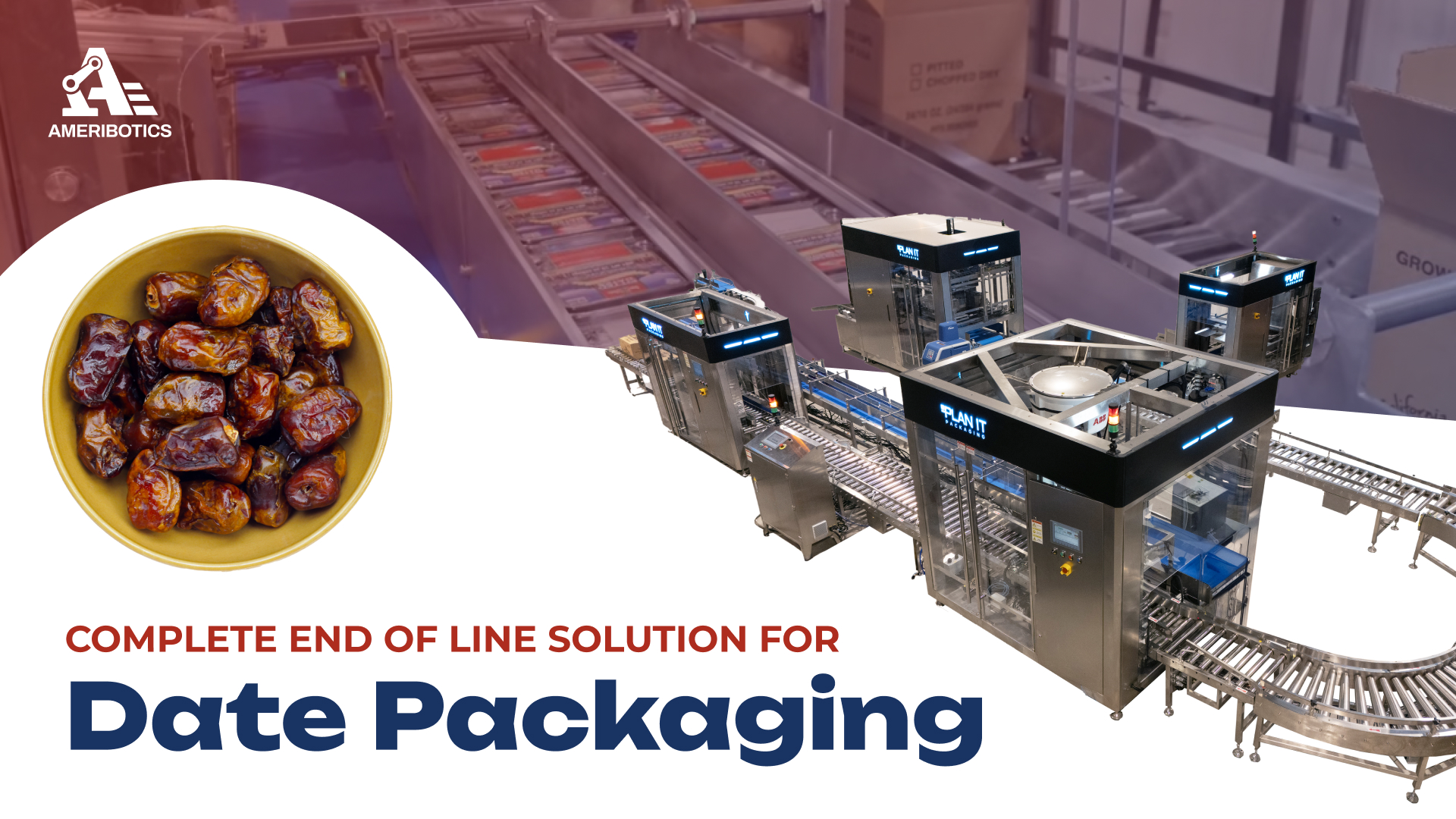
The system receives clamshells at up to 70 products per minute, groups them, and uses an ABB robotic pick-and-place cell to load them into either trays or RSC cases. Finished cases then move through an automated case sealer before continuing to downstream handling.
The system represents a second phase of automation for the customer, building on an existing automated weighing and packaging line for dates in clamshells. Together, the systems create a more automated workflow from weighing and primary packaging through case packing and palletizing.
Watch the video below to see the robotic case and tray packing system in operation.